How India’s Startup Ecosystem Is Changing Business Setup
India’s startup ecosystem has changed the way entrepreneurs think about starting and scaling businesses. New ventures are emerging across technology, fintech, healthcare, manufacturing, education, retail and professional services. Access to digital infrastructure, funding opportunities and a growing consumer market has also made entrepreneurship more accessible. As a result, setting up a company in India is increasingly viewed as part of a broader growth strategy rather than simply an administrative requirement. Founders now consider ownership, funding, compliance, intellectual property, technology and scalability much earlier in the business journey.
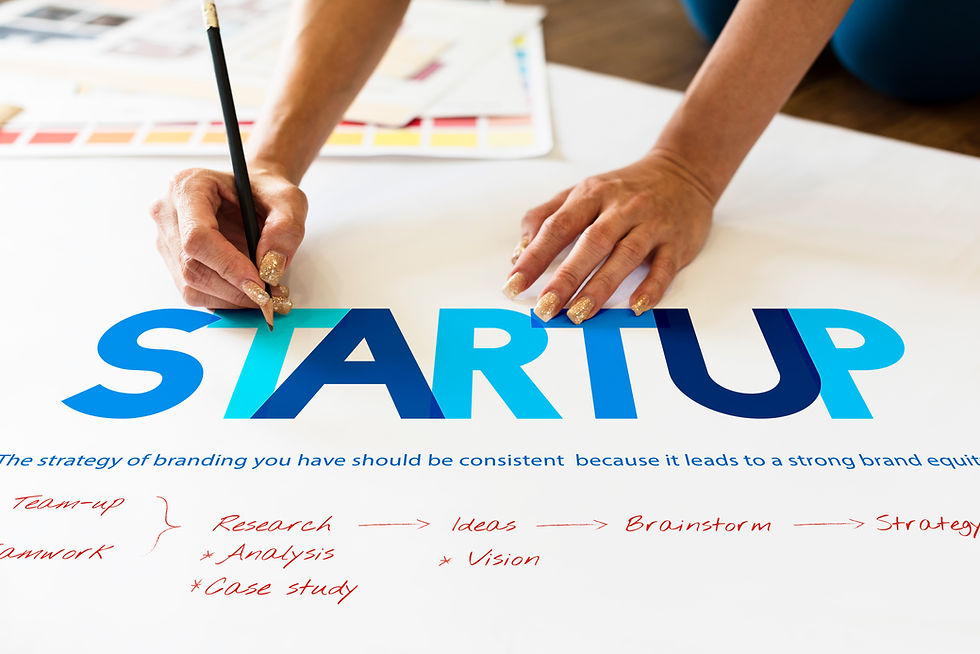
India’s Startup Ecosystem Is Reshaping Business Formation
The Indian startup environment has evolved considerably over the past decade. Entrepreneurs can now access digital incorporation systems, online government services, startup support programmes and a wider investment ecosystem.
This change has influenced how founders approach business formation. Earlier, incorporation was often treated as the first formal step after a business idea had already been developed. Today, founders may consider the proposed legal structure while developing their business model.
The choice of entity can influence fundraising, ownership, taxation, governance and future expansion. A business planning to attract venture capital may have different requirements from a small professional venture operating with a limited number of founders.
As startup models become more sophisticated, business setup decisions increasingly need to support both immediate operations and long term commercial objectives.
Digital Processes Are Making Business Setup More Accessible
Digitalisation has simplified several stages of starting a business in India. Entrepreneurs can access government portals, submit incorporation documents electronically and track various applications online.
The Ministry of Corporate Affairs has introduced integrated digital processes for company incorporation and related registrations. These systems have reduced the dependence on physical paperwork and made the initial process more accessible to founders.
The growing use of digital services has also encouraged entrepreneurs outside major commercial centres to consider formal business structures. Founders can research requirements, prepare documentation and access professional support without necessarily being physically present in the city where the business is incorporated. However, digital filing does not remove the need for careful planning. Incorrect information, unsuitable entity structures or incomplete documentation can still create problems later.
Startup Funding Is Influencing Entity Selection
Funding has become an important factor in business setup decisions. Startups seeking angel investment, venture capital or institutional funding often need structures capable of accommodating external shareholders.
A private limited company may be considered by founders expecting equity investment because its structure can accommodate shareholding arrangements and corporate governance requirements.
Funding considerations can also influence shareholder agreements, founder rights, voting arrangements and intellectual property ownership. Investors may conduct legal due diligence before committing funds. Businesses with weak documentation or unclear ownership can therefore face additional questions during fundraising. Founders should consider future investment requirements before finalising the legal structure. A structure selected only for immediate convenience may become difficult to manage when the business begins raising capital.
Technology Is Changing How New Businesses Operate
Technology has transformed the startup model in India. Many businesses can now serve customers across different states or even internationally without maintaining a large physical presence.
Cloud technology, digital payments, e commerce platforms and remote working tools have reduced some traditional barriers to market entry. A small team can build a product, reach customers and manage operations using digital infrastructure. This shift also creates new legal considerations. Technology businesses may need to address data protection, intellectual property, software licensing, cybersecurity, online contracts and consumer rights.
The legal structure therefore needs to operate alongside the technology strategy. Founders should understand who owns software, databases, designs, content and other intellectual property created during the early stages of the venture.
Intellectual Property Has Become a Business Setup Consideration
For many startups, intellectual property is among their most valuable assets. A technology company may rely on software and patents. A consumer brand may depend heavily on its trademarks and designs. A content business may build its commercial value around copyright.
As a result, intellectual property protection should not be postponed until the business becomes successful. Founders should consider ownership and protection from the beginning.
Employee and contractor agreements can also influence intellectual property ownership. If developers, designers or consultants create valuable assets without suitable contractual provisions, disputes may arise over ownership. Trademark searches are equally important for startups developing new brands. Selecting a name without checking existing rights can result in objections, disputes or costly rebranding.
Compliance Is Becoming Part of Startup Planning
The modern startup ecosystem has increased awareness of regulatory compliance. Founders increasingly recognise compliance as an ongoing business responsibility rather than a one time incorporation exercise.
Depending on the business model, a startup may need to address corporate filings, taxation, employment laws, intellectual property, data protection, consumer protection and sector specific regulations.
The compliance burden can also increase as a business grows. A small venture may initially have a limited workforce and customer base. As operations expand, additional policies, registrations and reporting responsibilities may become relevant.
Building compliance processes early can make growth easier. It can also help businesses respond more effectively to investor due diligence, commercial partnerships and regulatory reviews.
Online Business Registration Is Supporting Entrepreneurial Growth
The growth of digital government services has changed how entrepreneurs approach incorporation. Founders can access information and application systems without relying entirely on traditional physical processes.
For entrepreneurs researching online business registration India, it is important to distinguish between completing an online application and understanding the legal implications of the business structure. Digital systems make filing more convenient, but founders still need accurate information and appropriate documentation.
Online registration can be particularly useful for founders operating remotely or building businesses across different locations. Yet convenience should not replace proper legal and commercial assessment.
Startup India and the Wider Support Ecosystem
Government initiatives have also contributed to India's developing startup environment. Startup India has helped create greater awareness around entrepreneurship, funding, innovation and formal business structures.
Eligible startups may have access to certain benefits or support mechanisms, subject to applicable conditions. Government programmes can also improve access to information and connect entrepreneurs with parts of the wider startup ecosystem.
However, founders should assess eligibility carefully. Not every newly incorporated business automatically qualifies for every startup benefit. The nature of the business, incorporation date and other prescribed conditions can influence eligibility.
Regional Startup Hubs Are Expanding Business Opportunities
India's startup activity is no longer limited to a small number of metropolitan cities. Bengaluru, Delhi NCR, Mumbai, Hyderabad and Chennai remain significant centres, while cities such as Pune, Ahmedabad, Jaipur, Kochi and Chandigarh have also developed active entrepreneurial communities.
This geographical expansion is influencing business setup decisions. Founders may select locations based on talent availability, infrastructure, customer access, operating costs and industry networks.
The location of incorporation can also interact with practical considerations such as employment, taxation, licensing and local regulatory requirements. Businesses should therefore consider both commercial and legal factors when choosing their operating base.
Global Investment Is Influencing Indian Business Structures
Indian startups increasingly interact with international investors, customers and business partners. This creates a greater need for structures capable of supporting cross border transactions.
Foreign investment can involve additional regulatory requirements. Businesses may also need to consider foreign exchange rules, reporting obligations, taxation and agreements with overseas entities.
International expansion can create similar challenges. A startup planning to enter foreign markets may need to protect its intellectual property internationally, review local regulations and structure cross border contracts carefully. The startup ecosystem has therefore made business setup more connected to global commercial planning.
Founder Agreements Are Becoming More Important
As businesses become more investment driven, relationships between founders need greater clarity. Founder agreements can address matters such as ownership, responsibilities, decision making, intellectual property and procedures for handling disputes.
This becomes particularly important when multiple founders contribute different forms of value. One founder may contribute capital, another technical expertise and another industry relationships. Clear documentation can reduce uncertainty if the business faces disagreements or if one founder leaves. It can also provide greater clarity for investors during due diligence.
Business Setup Is Becoming More Strategic
The biggest change in India's startup ecosystem is perhaps the shift from administrative incorporation to strategic business formation. Founders now need to consider how their entity will accommodate future investment, intellectual property ownership, employee growth, commercial contracts and expansion.
A business structure should support the company's objectives rather than simply satisfy the immediate requirement to register an entity. Early decisions can influence the cost and complexity of later restructuring.
This is why professional legal and financial advice can be valuable before incorporation. Understanding the implications of different structures can help founders make decisions based on their actual business plans.
The Role of Compliance in Sustainable Startup Growth
Rapid growth can create pressure on founders to prioritise customers, revenue and fundraising. Yet weak compliance can eventually become a barrier to expansion.
Investors may examine corporate records. Strategic partners may request contractual and regulatory information. Customers may require data protection assurances. Employees may expect appropriate workplace policies.
A startup with organised records and clear compliance processes can respond more effectively to these requirements. Compliance should therefore be viewed as part of business infrastructure. It supports credibility and helps the organisation manage growth with fewer disruptions.
Conclusion
India's evolving startup ecosystem is changing the way entrepreneurs approach business setup. Digital incorporation, growing investment opportunities, technology adoption, intellectual property awareness and government support have made entrepreneurship more structured and accessible.
At the same time, modern startups face more complex legal and commercial considerations. Entity selection, funding, founder arrangements, intellectual property, employment, taxation and regulatory compliance can all influence long term success.
The most effective approach is to view business setup as the beginning of a broader growth strategy. Founders who consider future investment, operational expansion and compliance at an early stage can build a stronger foundation for sustainable business development in India's increasingly dynamic startup environment.



Comments